

Homemade Pasta: Tips and Recipes Straight from Our Kitchen
- Amrata Estate

- Oct 6, 2023
- 3 min read
There's something undeniably magical about the process of making pasta from scratch. As someone who has dedicated their life to perfecting the art of pasta-making, I am excited to share with you the secrets, techniques, and some signature recipes that have made me the best pasta maker in the world.

The Heart of Italian Cuisine
Pasta is the heart and soul of Italian cuisine. It's a culinary canvas that spans countless shapes, sizes, and textures, each designed to marry with specific sauces and ingredients. While there's certainly an art to crafting fresh pasta, it's a skill that can be mastered with practice and a few insider tips.
The Essentials of Homemade Pasta
Before we dive into recipes, let's cover the fundamental components of homemade pasta:
1. Ingredients:
· Flour: The type of flour you use matters. "00" flour, which is finely milled, is the gold standard for many Italian pasta recipes, but all-purpose flour can work too.
· Eggs: Fresh, high-quality eggs provide moisture and richness to the pasta dough.
· Salt: A pinch of salt enhances the pasta's flavor.

2. Equipment:
· Mixing Bowl: You'll need a large mixing bowl to combine the ingredients.
· Work Surface: A clean, flat work surface for kneading and rolling out the dough.
· Rolling Pin or Pasta Machine: A rolling pin can work, but a pasta machine makes the process more efficient.
· Sharp Knife or Pasta Cutter: To cut the pasta into your desired shape.
· Drying Rack or Clean Towels: For drying the pasta before cooking.

3. Technique:
· Kneading: Proper kneading develops the gluten in the dough, giving it elasticity. Knead until the dough is smooth and no longer sticky.
· Resting: Allow the dough to rest for at least 30 minutes before rolling it out. This relaxes the gluten and makes it easier to work with.
· Rolling: Roll the dough out evenly to your desired thickness.
· Cutting: Shape the pasta according to the recipe.
Homemade Pasta Recipes
Now, let's explore some classic homemade pasta recipes that will transport you straight to Italy's dining tables.

1. Fresh Tagliatelle
Ingredients:
· 2 cups "00" flour
· 3 large eggs
· A pinch of salt
Instructions:
1. Create a mound of flour on your work surface and make a well in the center.
2. Crack the eggs into the well and add a pinch of salt.
3. Use a fork to gently beat the eggs while gradually incorporating the flour.
4. Once the mixture forms a dough, knead it for about 10 minutes until smooth.
5. Wrap the dough in plastic wrap and let it rest for 30 minutes.
6. Roll out the dough and cut it into thin strips for tagliatelle.
7. Cook in boiling salted water for 2-3 minutes until al dente.

2. Homemade Ravioli with Ricotta and Spinach Filling
Ingredients:
· 2 cups "00" flour
· 3 large eggs
· A pinch of salt
· 1 cup fresh ricotta cheese
· 1 cup chopped spinach
· Grated Parmesan cheese
· Salt and pepper to taste
· Egg wash (1 egg beaten with a tablespoon of water)
Instructions:
1. Follow the same steps as for the basic pasta dough.
2. For the filling, mix ricotta, chopped spinach, Parmesan, salt, and pepper in a bowl.
3. Roll out the pasta dough into thin sheets.
4. Place spoonfuls of the filling onto one sheet of pasta, leaving space between each.
5. Brush egg wash around the filling.
6. Place another sheet of pasta on top and press around the filling to seal.
7. Cut out individual ravioli with a pasta cutter or knife.
8. Cook in boiling salted water for about 3-4 minutes until they float to the surface.
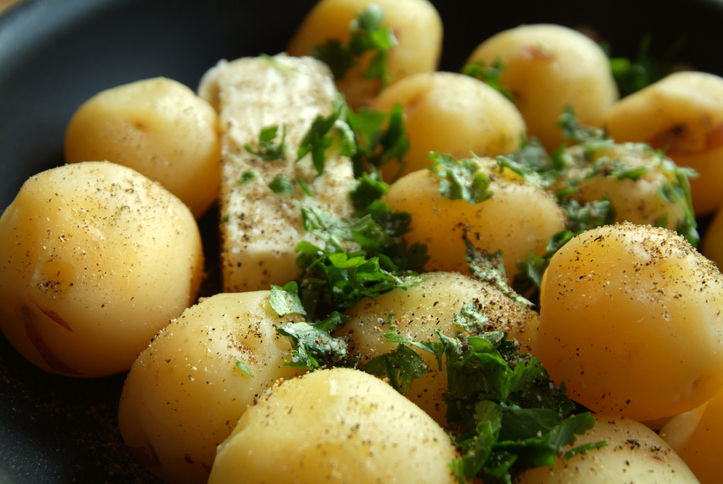
3. Gnocchi: Pillows of Potato Goodness
Ingredients:
· 2 large potatoes
· 1 egg
· 1 cup "00" flour
· Salt and nutmeg (optional)
Instructions:
1. Boil the potatoes until tender, then peel and mash them while they're still warm.
2. Add an egg and a pinch of salt (and a pinch of nutmeg if you like) to the mashed potatoes.
3. Gradually incorporate the flour until a soft dough forms.
4. Divide the dough into smaller portions and roll each into a rope about the thickness of your thumb.
5. Cut the ropes into bite-sized pieces.
6. Optional: Roll each piece on a gnocchi board or fork to create ridges.
7. Cook in boiling salted water until they float (usually 2-3 minutes).
Perfecting Your Pasta
The key to becoming a master pasta maker lies in practice and attention to detail. Pay close attention to the texture and consistency of your dough, as these factors can greatly impact the final result. Don't be discouraged by any initial mishaps—homemade pasta is a skill that improves with time and experimentation.
While these recipes are a great starting point, feel free to explore different shapes, fillings, and sauces. Whether it's a simple spaghetti aglio e olio or a complex ravioli with truffle cream sauce, the joy of crafting your own pasta and savoring the fruits of your labor is unparalleled.
Remember, the essence of homemade pasta is not just in the final dish but in the journey of creating it. So, roll up your sleeves, flour your hands, and embark on your own pasta-making adventure. Buon appetito!


Comments